What made the Texas flash flood so deadly – and the role of AI in forecasting
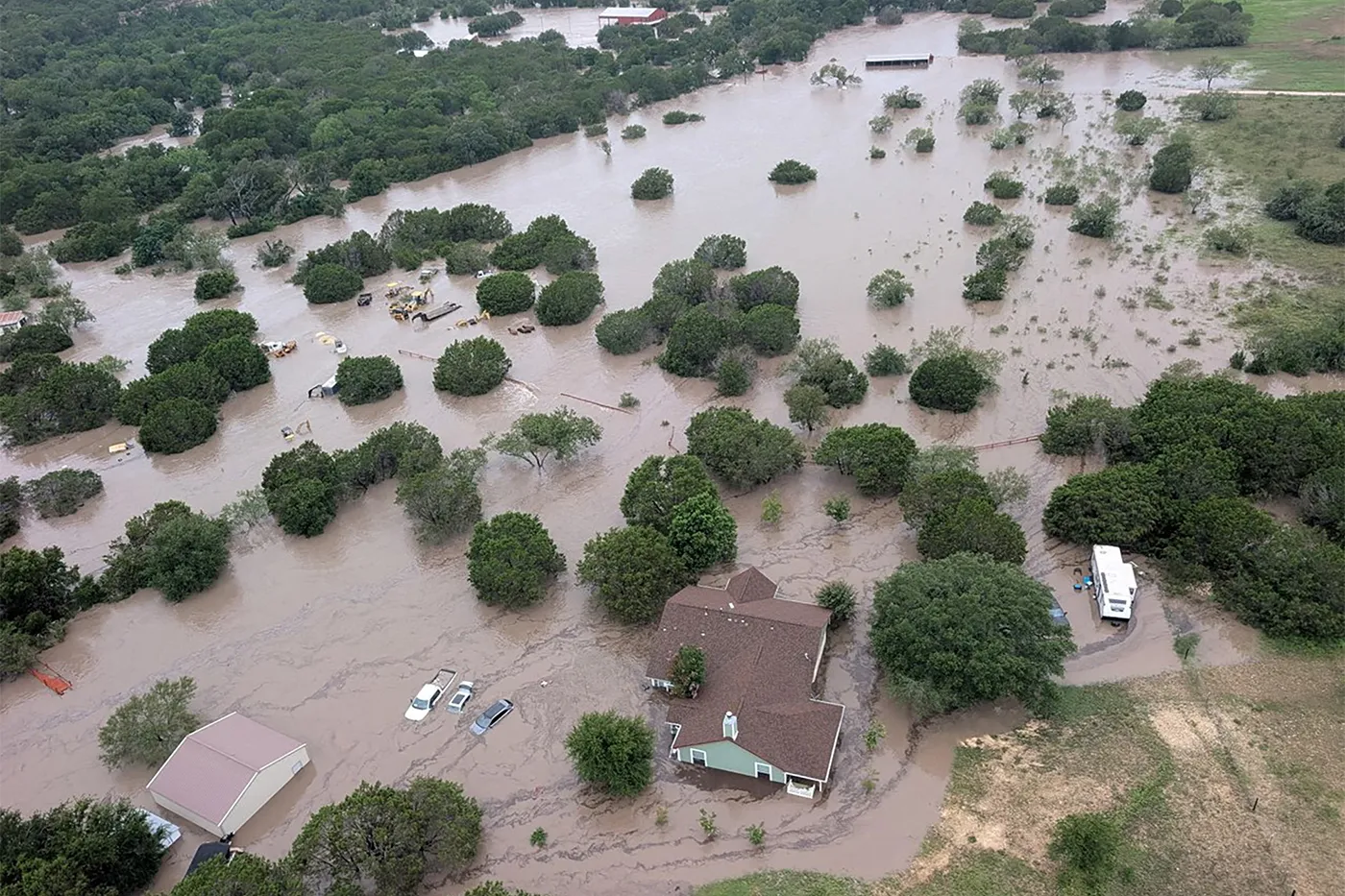
The deluge that surged through Central Texas over the Fourth of July weekend devastated the hill country and shocked the world with its intensity and loss of life.
The Guadalupe River at Kerrville rose from 1.73 feet to 34.29 feet in three hours on July 4, according to a river gauge maintained by the federal government.
The floodwaters have killed at least 108 people, including 27 campers and counselors from the all-girls Camp Mystic near Kerrville, with five campers and one counselor still missing.
“The rainfall rate was extremely high, in some places reaching more than four inches per hour,” says Samuel Munoz, an associate professor of marine and environmental sciences at Northeastern University.
“When the rainfall is that intense, the ground cannot absorb the water, so water flows quickly to streams and rivers,” he says.
As extraordinary as it is to have months’ worth of rainfall in hours, scientists say to expect more flash flooding in the future as warmer water and air temperatures lead to increased precipitation from hurricanes and other storms.
What happened in ‘flash flood alley’
The hill country in Central Texas where the Guadalupe River overflowed its banks is known as “flash flood alley” due to its susceptibility to flooding.
One factor is the area’s soil, which is hard-packed, dry and shallow with little organic matter, says Peter “James” Dennedy-Frank, Northeastern assistant professor of marine and environmental sciences with an expertise in hydrology. What happens when it rains is known as “infiltration of excess overland flow,” he says.
“The idea is that the soil can’t soak up the water as fast as it’s coming in. The water runs off really fast into the river channels. So you can have these floods that come up in an hour or two,” Dennedy-Frank says. “During intense storms, you have a lot of surface runoff happening really fast.”
“The rate of rise on this was really amazing,” Dennedy-Frank says, adding that he had never before witnessed waters rise 30 feet in three hours or 20 feet in an hour.
In addition to the intensity of the rainfall, the location — on both branches of the Guadalupe River — supercharged the flooding, he says. “We’re getting all that accumulation from the whole watershed area rather than just a portion of the watershed area,” he adds.
Further setting the stage for tragedy was the timing, when the area teemed with recreational campers celebrating the July 4 weekend.
Read more on Northeastern Global News story here.
Author: Cynthia McCormick Hibbert